
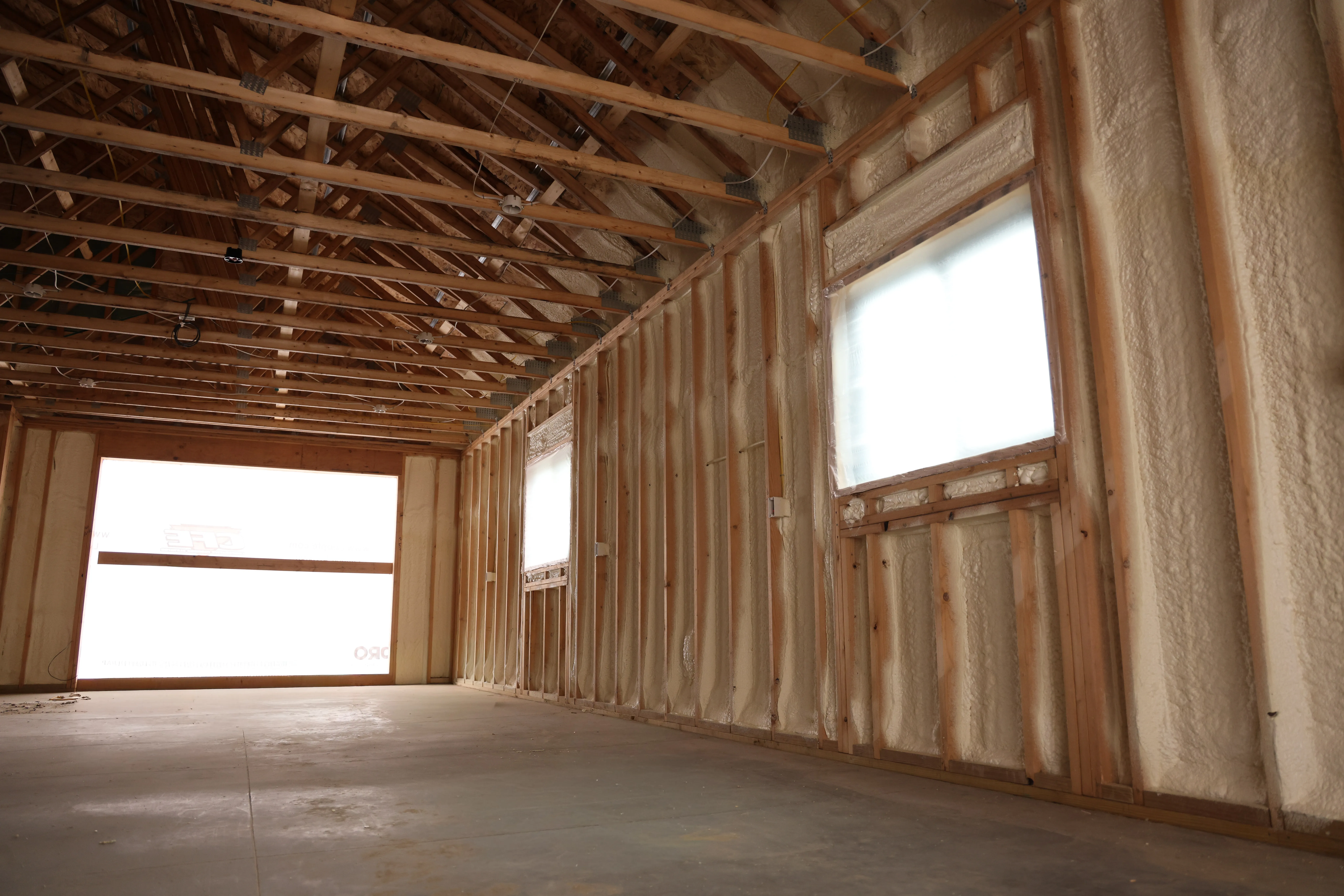
Why Spray Foam in Wichita KS
Spray foam is worth considering when insulation and air control need to work together, but the right answer still depends on the building.
Insulation Is Part of the Building Envelope
Your roof, walls, attic, crawl space, doors, windows, and mechanical penetrations all affect how heat and air move. Insulation is one part of that system.
Traditional insulation mainly slows heat transfer. Spray foam can also help create a more continuous air-control layer where it is properly applied. That is why it may be considered for rooflines, metal buildings, selected walls, rim areas, and other irregular spaces.
It is still not a universal answer. The first question should be what the building is trying to do, then whether spray foam, blown-in insulation, batt insulation, radiant barrier insulation, or another method fits that scope.
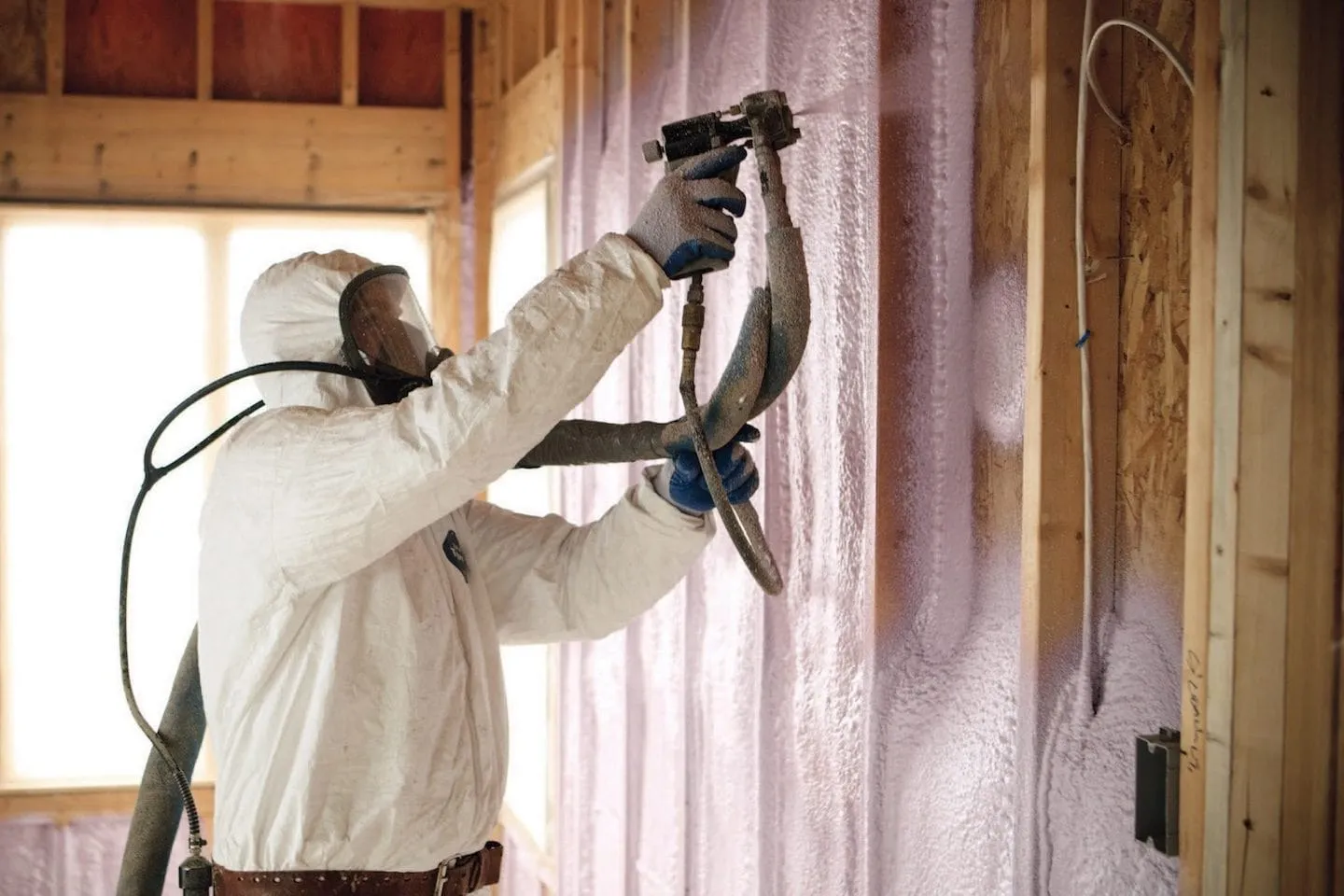
Spray Foam Is Different, Not Automatically Better Everywhere
Spray Foam
- Can insulate and help air seal
- Expands during application
- Professional installation required
- Often higher initial cost than basic insulation methods
Fiberglass or Batts
- Common in open framing
- Can fit walls, ceilings and floors
- Primarily thermal insulation
- Batt insulation depends heavily on fit and gaps
Loose Fill
- Often used in attics
- Can cover broad open areas
- Primarily thermal insulation
- Blown-in insulation starts with existing conditions
Radiant Barrier
- Used in selected attic assemblies
- Mainly discussed for summer radiant heat
- Depends on ventilation and existing insulation
- Radiant barrier insulation is not a universal replacement
The right choice depends on the assembly, access, moisture strategy, budget, and project goal.
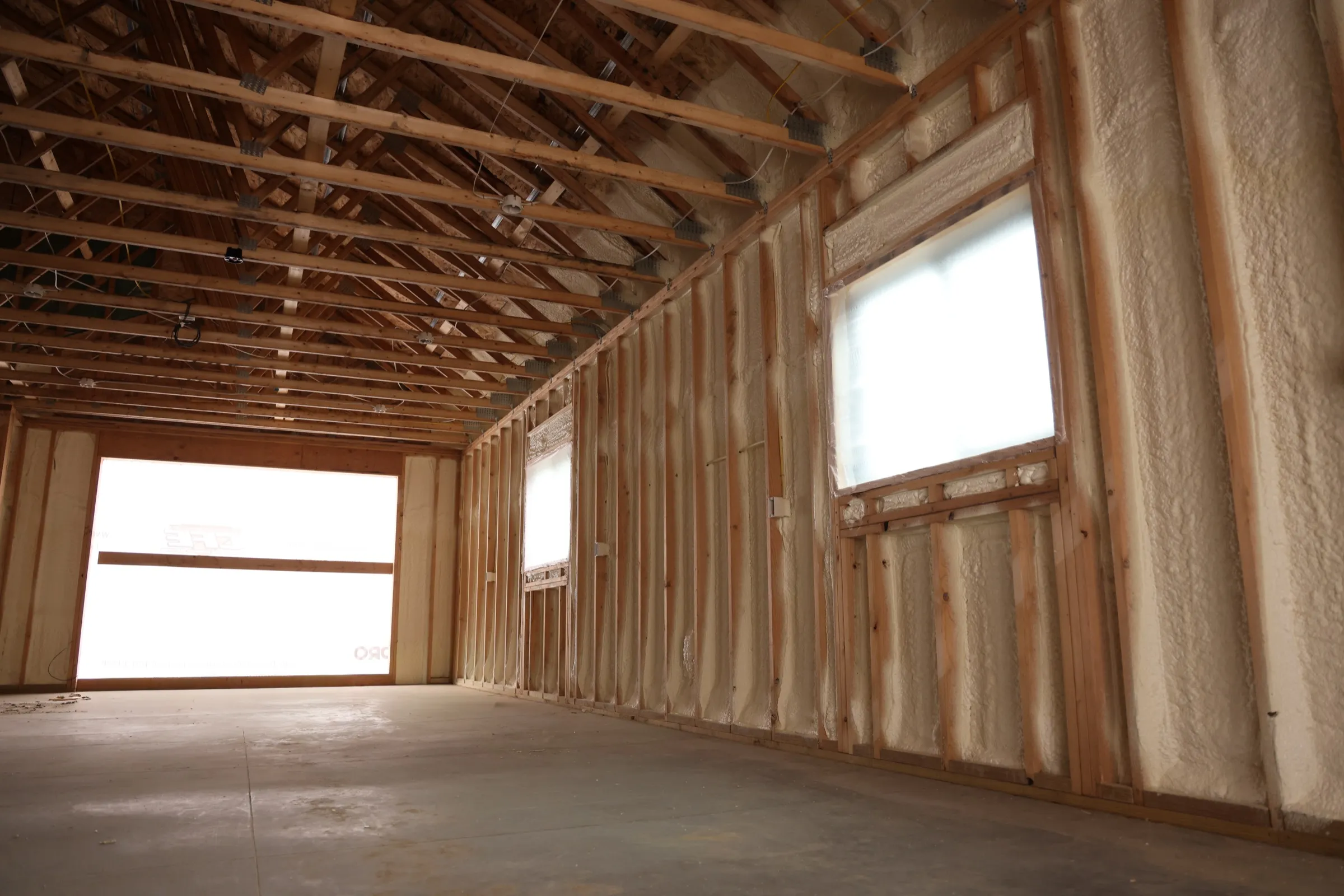
Two Foam Types, Different Jobs
Open-cell spray foam is lower density and expands broadly. It may fit selected interior assemblies where coverage and air sealing are important.
Closed-cell spray foam is denser and may be considered where space, firmness, or different moisture behavior matters.
The better answer depends on location. A metal building, attic roofline, crawl space, new wall cavity, and commercial interior can each point toward a different scope.
Spray Foam Is Worth a Look When Air Movement Is Part of the Problem
Wichita properties may need spray foam evaluated when the project involves a metal building, a difficult attic, open new construction, a crawl space, or an irregular area where gaps matter.
Sometimes the Building Needs More Evaluation First
Existing moisture, wet insulation, damaged material, unclear ventilation, roof repair history, or access problems can change the scope. In those cases, insulation removal or inspection of the existing condition may come first.
Compare Spray Foam Against the Actual Project Type
Spray foam decisions usually get clearer when they are tied to a specific assembly or property type.
The Product Is Only Part of the Result
Spray foam work depends on preparation, surface condition, masking, consistent coverage, transitions around framing, and the details around penetrations.
That is why a useful estimate should explain where foam belongs, what needs to be moved or removed, and how the work connects to the rest of the building envelope.
Talk Through a Project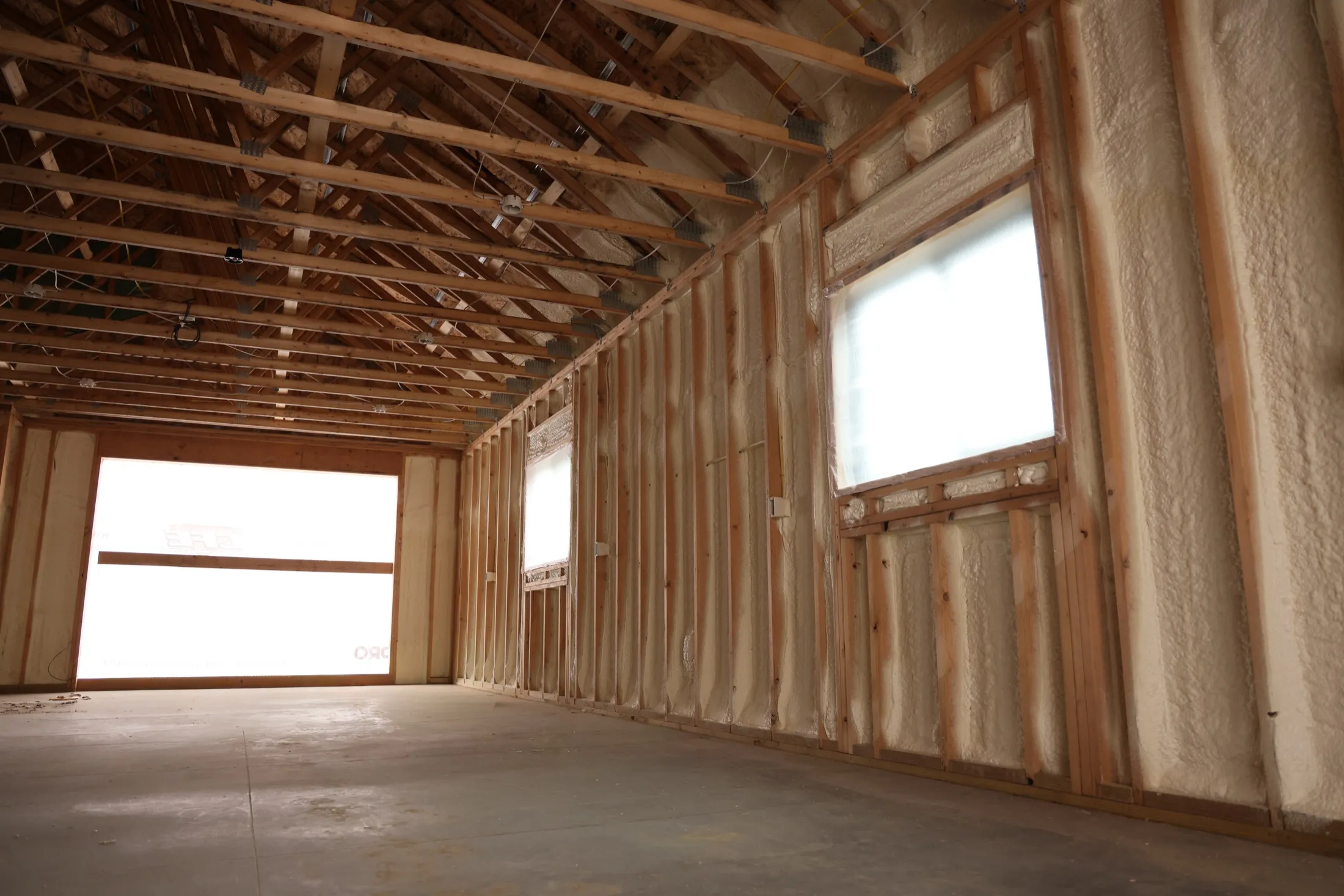
Questions People Ask Before Choosing Spray Foam
What does spray foam do differently?
Spray foam can provide insulation and help control unwanted air movement where it is properly applied. That combination is why it is evaluated differently from loose-fill, batt, or radiant barrier materials.
Is open-cell or closed-cell better?
Neither is universally better. Open-cell and closed-cell spray foam have different density, expansion, and assembly considerations. The right choice depends on the location and goal.
Is spray foam always the right insulation choice?
No. Some buildings are better served by another insulation method, removal first, or more evaluation before choosing a material.
Why does Wichita weather matter?
Hot summers, cold snaps, wind, and hail-related repairs can all influence where air control, moisture strategy, and insulation coverage deserve attention.
Can spray foam be used in existing buildings?
Often, yes, but access and existing conditions matter. Closed assemblies, old insulation, moisture, or damaged material may change the scope.
What should I ask before choosing spray foam?
Ask where the foam will be installed, why that boundary was chosen, what prep is needed, and whether open-cell, closed-cell, removal, or another method is being compared.
You Do Not Have to Decide Alone
Tell us about the property and what you are trying to improve. We will help identify whether spray foam belongs in the conversation.